

Learn how to tailor your resume to a job description by matching keywords, highlighting skills, and making tweaks without rewriting it for every application.

.webp)
Tailoring your resume doesn’t mean rewriting it from scratch. It’s more about making intentional tweaks to a strong base resume to align with each job. Focus on matching key skills and language from the job posting, reordering bullet points to highlight relevant experience, and showing clear results. Keep a master resume so you always have content to pull from and avoid keyword stuffing; everything should reflect real experience. For most roles, spend up to 15 minutes refining; for top choices, go deeper. Use AI to speed things up and stay organized so you can track what works.
Tailoring your resume makes sense in theory. But after an hour of tailoring, that job posting already jumped from ten applicants to over a hundred. And when all that rewriting means only applying to one or two jobs a day, I don’t blame you for questioning if it’s even worth it.
And honestly, if you’re spending over an hour on every application, it’s not. It’s entirely possible to tailor your resume without rewriting the entire document while still improving your chances of getting an interview. You just need the right strategy.
Let’s explore all the time-saving techniques to tailor your resume. This guide will cover:
- If it’s really worth tailoring your application.
- How to tailor a resume to a specific job.
- Expert tips and examples to help you speed up the process.
If you want to make this process faster, try our free AI Resume Builder. It helps you tailor your resume quickly and create ATS-friendly versions you can confidently send out.
You can also check out more guides and examples on how to tailor a resume:
- How to Find Keywords Missing on a Resume
- What Are The 2 Ways to Use AI to Write a Resume
- How to Use AI to Tailor a Resume to the Job Description
What Is a Tailored Resume?
A tailored resume is an application that aligns with a specific job with keywords, skills, and qualifications. We often hear “tailor your resume” and imagine a full rewrite for every application. That’s not the reality (and honestly, it’s not sustainable).
Instead, I recommend creating a strong, well-written base resume and making intentional changes so it lines up with what the employer is asking for and the job description. You’re highlighting the most relevant parts of your experience, not inventing new ones.
Here’s how to approach it:
- Read the job description and identify key skills, tools, and responsibilities.
- Adjust the wording in your resume to reflect those same themes (when they genuinely apply to you).
- Reorder or swap a few bullet points so the most relevant experience shows up first.
A lot of old-school advice pushes deep customization for every role: analyze keywords, rewrite sections, fine-tune everything. But timing matters. That process can easily take up to an hour per application. If you do that every time, you’re naturally going to be applying to fewer jobs.
It’s much more realistic to spend around ten minutes making small edits to your base resume, instead of 45 minutes rewriting the whole thing. And with the job market being so tough right now, volume combined with relevance tends to beat perfection.
I spoke to Daniel Catalan, a professional resume writer, who shared his thoughts on how long it should take to tailor your resume:
Good tailoring should take 10 to 15 minutes, but that’s over time after you get into the rhythm of doing it. And every job seeker should aim to apply within the same day when they see a job, or focus on jobs posted within the same week. It just goes so quickly; you want to be among the first to apply.
Is Tailoring Your Resume for Every Job a Waste of Time?
No, but overdoing it absolutely can be.
Tailoring your resume does matter, but you don’t need to rewrite your entire application for every single job. That’s where people burn out, slow themselves down, and miss opportunities. What works better is having a strong, well-written “master” resume that you can tweak quickly.
But why even bother tailoring your resume?
First, there’s the ATS (Applicant Tracking System). When you apply, your resume is added to a database, where it’s organized and indexed. Recruiters then search the system using keywords or qualifications tied to the role. So, if your resume includes the right terms, you’re more likely to show up.
But ATS isn’t the final decision-maker.
A recruiter or hiring manager still reviews your resume and decides whether to move forward. And this is where tailoring pulls double duty:
- It makes it easier for them to see that you’re a fit
- It reveals that you actually paid attention to the role
- It shows how your experience connects to what they need
Here’s what a hiring professional said about the importance of a tailored resume:
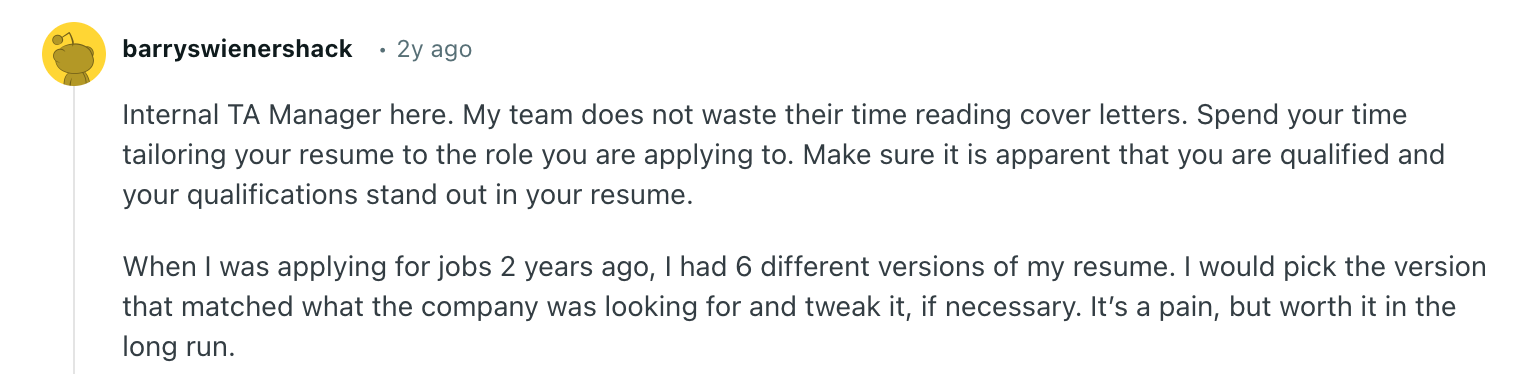
And this tech recruiter shared similar thoughts:
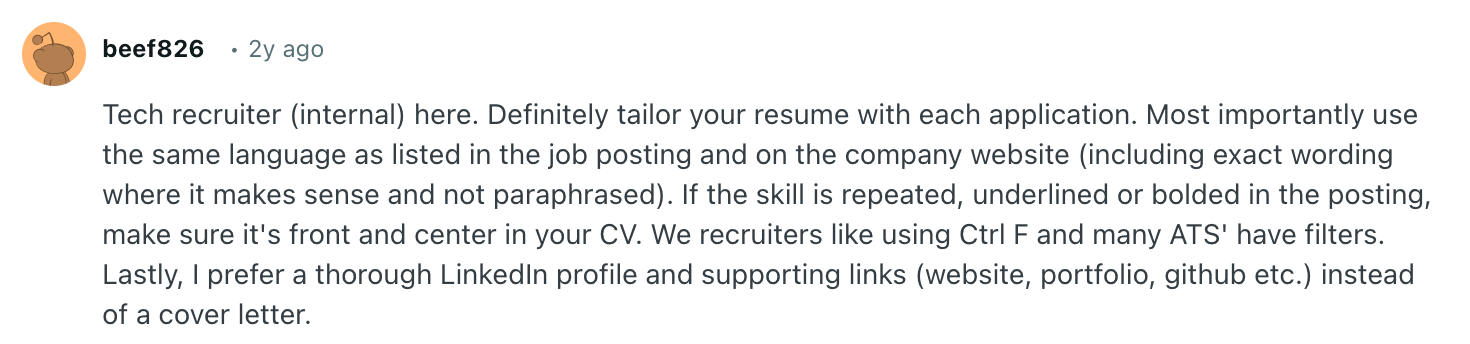
Think of it this way: you’re writing for two audiences at the same time — the system and the human. Both want to see clear evidence that you align with the role. Tailoring just helps you present that evidence more directly.
Learn more about ATS:
How to Tailor Your Resume to a Job Description
Here’s the quick version of how to tailor your resume to the job listing:
- Check the job description for keywords to understand what the company values, identify repeated skills and tools, and align your wording with how they describe the role.
- Tweak your job titles so they’re clear, recognizable, and aligned with industry standards.
- Compare the duties to your work experience by connecting job requirements to your background and naturally weaving in relevant skills into your bullet points.
- Focus on relevance and measurable results by highlighting your impact, using action-driven language, and showing outcomes.
- Include the right qualifications and training by clearly presenting your education, certifications, and relevant coursework.
- Customize your skills for the role by selecting the most relevant hard skills and industry terms from the job description rather than listing everything you can do.
- Compare your resume to the job posting to ensure alignment, clarity, and that your most relevant experience stands out at a glance.
Now, let’s break that down with real examples and expert advice.
1. Check the job description for keywords
The job description is basically a checklist of what to include on your resume. It can tell you about the company values, how they describe the role, and what they’ll search for in candidates.
When you read it, look out for these patterns:
- What skills show up more than once?
- What’s listed near the top vs. buried at the bottom?
- What tools or systems seem non-negotiable?
For jobs you really care about, you can even create a rough “match list” where you line up their requirements with your experience. Don’t spend too long on this, just enough to clarify where you already align and where you might need to adjust wording.
And pay attention to language and specific terms. If they consistently say “sales representative and your resume says “sales support,” it’s worth aligning those (assuming it’s accurate).
Just don’t go into procrastination territory by comparing every detail of every job description against your resume. Your base resume should already include the core resume keywords for your field. Now, just tweak the language so it matches how this company talks about the role.
Find out more: How to Find Keywords Missing on a Resume
2. Tweak your job titles and roles
Job titles can be tricky because different companies use different names for very similar roles. That’s why small tweaks can make a big difference in how they perceive your experience.
If your title is already clear and aligned with the job posting, leave it alone. But if it’s vague or internal, you can make it more specific or familiar so it translates better to the outside world.
For example, a title like “Customer Happiness Officer” might be fun internally, but also, what does that even mean? Tweaking it to something like “Customer Support Specialist” makes your role instantly clearer to recruiters and to ATS systems scanning for recognizable terms.
Daniel explained how you can also include the job title in your resume heading:
I have my clients tailor their resumes for every application, but I teach them ways to do it that are easy and fast. You can do this by changing the headline to incorporate one or two words that are in the job title you’re targeting. Even if it’s not all the words and they’ve never held that type of role before, just try to make a connection apparent at the beginning.
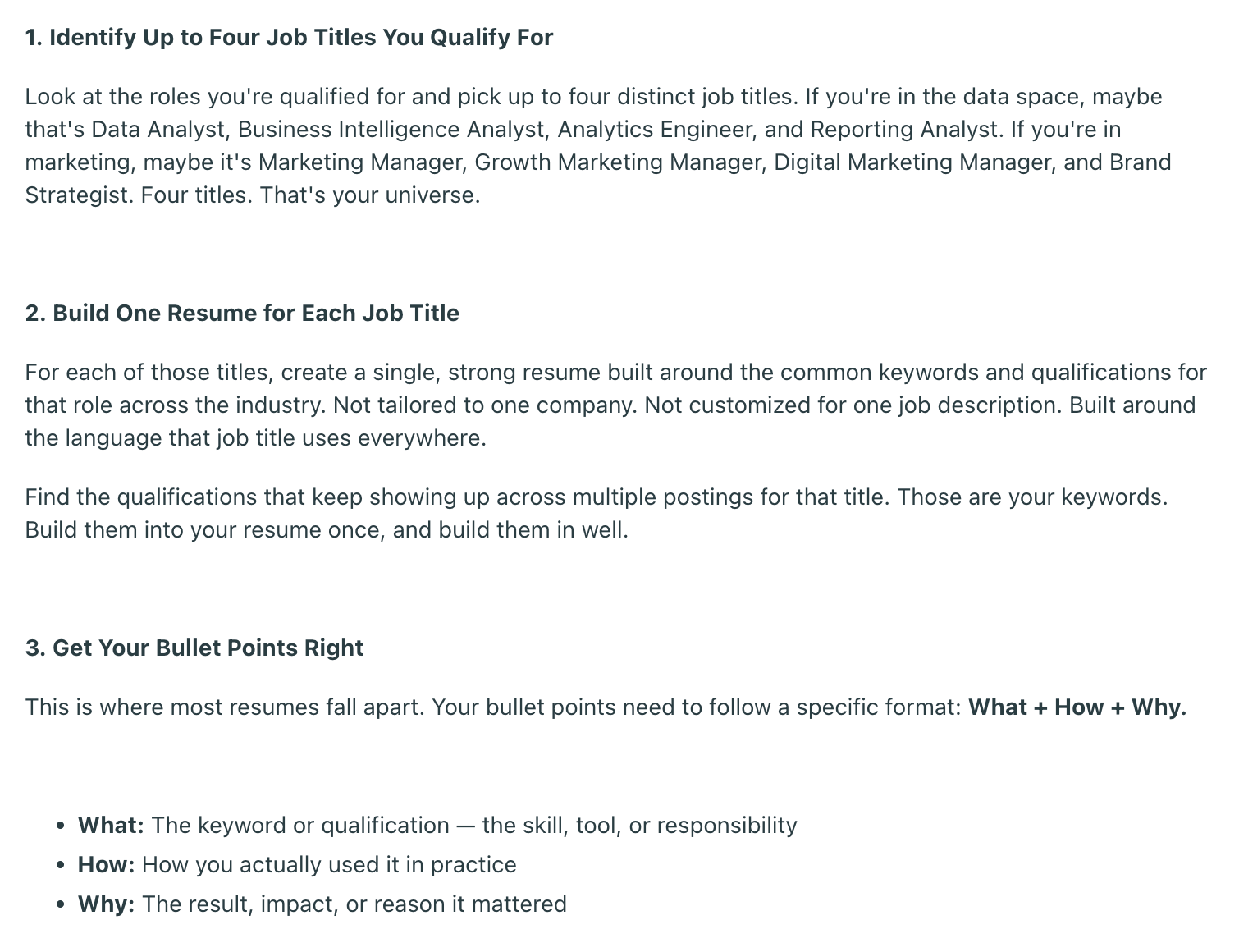
You can also use job titles to save time in the long run when tailoring different resumes:
- Identify a few roles you’re consistently applying for
- Build a version of your resume tailored to each one
This way, you’re not constantly reinventing your resume; you’re working from a version that already speaks the language of that role across the industry.
Here’s a breakdown from Rezi’s founder shared on Reddit that walks you through this:
3. Compare the duties to your work experience
Your work experience section is where it’s easy to undersell yourself. If your previous position doesn’t perfectly match the one you’re applying for, it’s totally fine to connect those dots with transferable skills and relevant experiences.
Look at the responsibilities in the job description and ask:
- Where have I done something similar?
- What transferable skills show up here?
Common themes like communication, organization, a strong work ethic, or teamwork skills show up everywhere. You should reflect those same ideas in your resume using your own experience.
That doesn’t mean stuffing all the keywords into your resume without context, or dumping them into your skills section. Build them into your bullet points naturally with concrete examples and success stories of how you applied those skills in real situations.
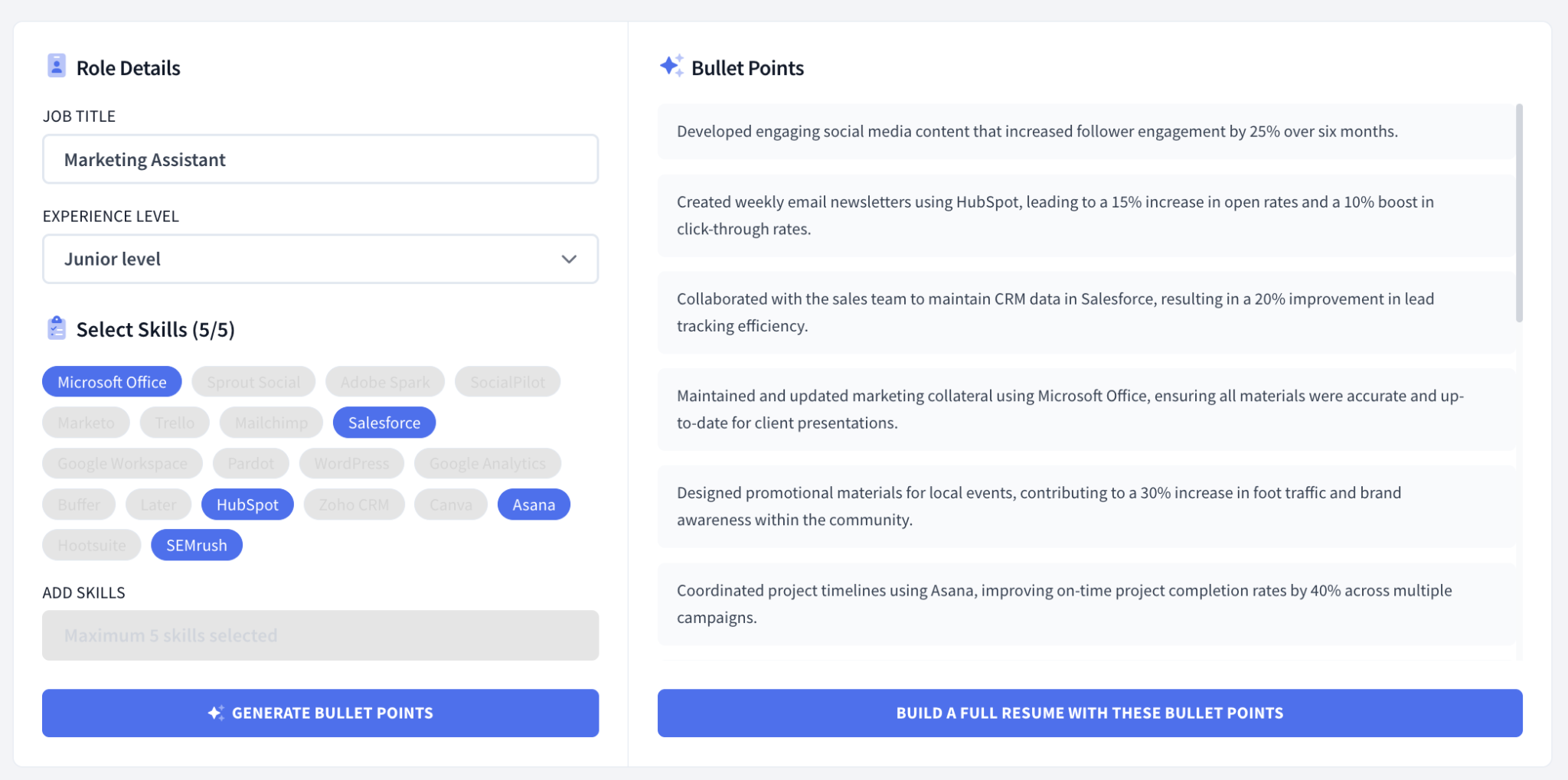
Need some inspiration? Check out our free AI Resume Bullet Point Generator. Simply enter your job title, experience level, and skills to get a list of tailored suggestions.
4. Focus on relevance and measurable results
A lot of resumes read like task lists. But it’s how you made your unique impact that will differentiate you from other candidates, not a list of job duties (aka, a job description).
Start by shifting how you write your bullets:
- Lead with action
- Add context (what kind of environment, team, or workload?)
- Include outcomes whenever possible
Yes, numbers help make you look more credible, but they’re not the only way to show impact. You can also describe scale, ownership, leadership, or improvements you contributed to within the company.
For example, instead of just listing responsibilities, you can show:
- What tasks did you handle?
- How did you approach your duties?
- What changed because of your work?
Resume writer Daniel shared his advice on adding impact to your bullet points:
Each bullet should tell a unique story by starting with an action verb, adding quantifiers, and including context.
Avoid using the same action verb to start a bullet more than once. I try to use some of the more unconventional ones, then always find a synonym to avoid using the weak ones. So, every bullet starts with an action verb, then what type of company it is (so you don’t have to Google it), and then context. Then focus on action and impact.
Every bullet is like a mini case study, so no generic responsibilities. They’re all stories that help someone visualize the person in action.
So while adding keywords can prove you’re aligned with the job, you should also take it a step further with clear outcomes and resume achievements to show how you can add value to the company. That way, your resume becomes much more interesting to both systems and people.
5. Include the right qualifications and training
Your education section is another place to include keywords and show that you meet the requirements. Start with the basics: your degree, certifications, or formal training. And if you’re adding extra details, think about the wording and how you present them.
For example, if a role specifies a certain type of degree or field, reflect that language clearly instead of abbreviating or generalizing (just don’t stray so far that you’re outright lying).
You can also strengthen this section by including:
- Relevant coursework
- Certifications tied to the role
- Projects or academic work that connect to the job
This is especially useful if you’re early in your career, lack work experience, or are transitioning fields. It gives you another way to show your potential and expertise beyond traditional work experience.
Learn more about beefing up your resume:
- How to List Certifications on Your Resume
- How to List Your Best Projects on a Resume
- How to Add Volunteer Experience to a Resume
- How to List Extracurricular Activities on a Resume
6. Customize your skills for the role
The skills section is one of the fastest ways to tailor your resume; just don’t use it as a free-for-all and list every skill under the sun. It’s a balance between keeping this section relevant to the job ad without keyword stuffing or exaggerating.
Focus on:
- Hard skills and tools that are directly relevant.
- Industry-specific terminology from the job description.
If the role emphasizes certain platforms, systems, or technical abilities, and you have them, make sure they’re clearly listed. You can also adjust your phrasing to match the job ad. Different companies may use different language for similar skills, so aligning that wording shows you’re a closer match.
But you don’t have to stick to the job description exactly, especially if you want your application to stand out and not come across as just a replica of the listing.
Daniel explained why he advises his clients to add skills beyond the job ad:
A good example is to include something unique that’s skill-based. One of my clients was a stand-up comedian and also invented an original board game. So, I told them to put this in their skills section. But for the expertise category, they also listed supply chain and product management.
So, they’re using the exact words of the job description most of the time, but then, on the few occasions when they’re not, it’s something interesting. Then the reader will think, “This person has exactly the skills we’re looking for, but other unique things about them,” instead of “I don’t trust anything that they say, because they’re only mirroring back to us what we want to see.”
Of course, if these “unique” skills are linked to desirable soft skills, like communication or creativity, even better. Recruiters can use these “fun facts” to read between the lines and get a sense of what type of person you are and how you would fit into the company.
7. Compare your resume to the job posting
Like with any formal document, always double-check before sending. When you’ve finished up, take a step back and do a quick review.
Ask yourself:
- If someone skimmed this quickly, would the fit be obvious?
- Are the most relevant skills and experiences easy to find?
- Does the language feel aligned with the job description?
It doesn’t need to be a perfect fit with the job listing (this is pretty rare), but clarity goes a long way. A recruiter should be able to glance at your resume and immediately see why you make sense for the role.
Need a second pair of eyes? Our ATS Resume Checker can scan your resume to see how well it aligns with the job description, with real-time feedback and scoring.
Tailored Resume Examples
You don’t need to manually go through each job description with a magnifying glass to pinpoint and add keywords. There are plenty of AI tools that can speed up the process and save you from losing your sanity.
In this case, I used Rezi’s AI Job Search to find current job openings, then simply selected ‘Target Resume’ to match the keywords from the job ad to one of my current resumes.

Here’s how it turned out.
Entry-level job seeker
This sales position comes with a classic entry-level job description. The employer isn’t looking for someone with years of experience, but there’s a clear emphasis on soft skills, such as teamwork, communication, and resilience.
Most people do have these skills, even without a long work history, but proving them on a resume is where it gets difficult. That’s especially true if you haven’t worked in sales or a similar field before.
Take a look at this job posting:
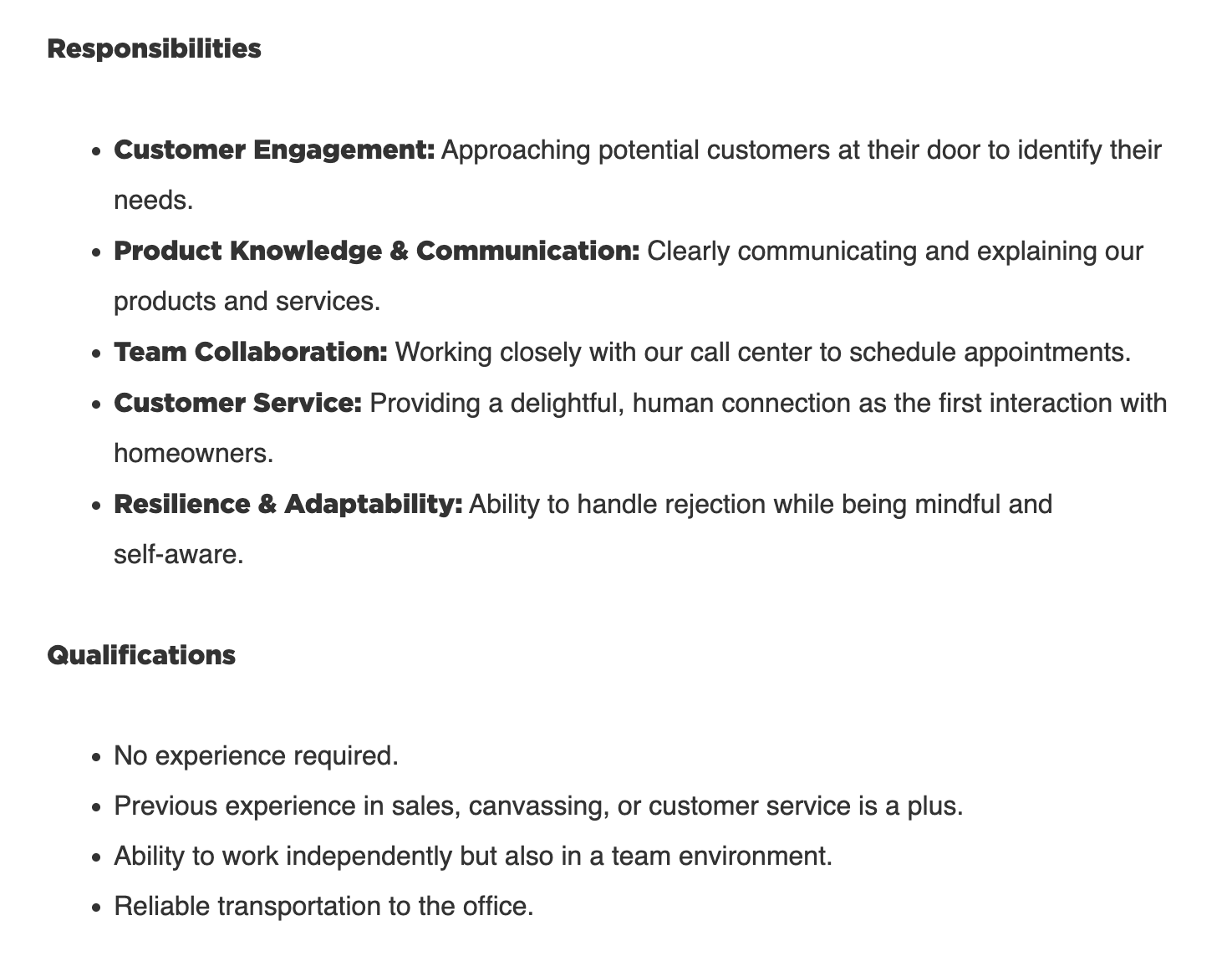
For entry-level roles like this, employers aren’t expecting perfection. They’re looking for potential. So instead of stressing about not having direct experience or technical abilities, focus on what you do have. Look back at past jobs, school projects, or any real-world situations where you used those skills and show how they led to results.
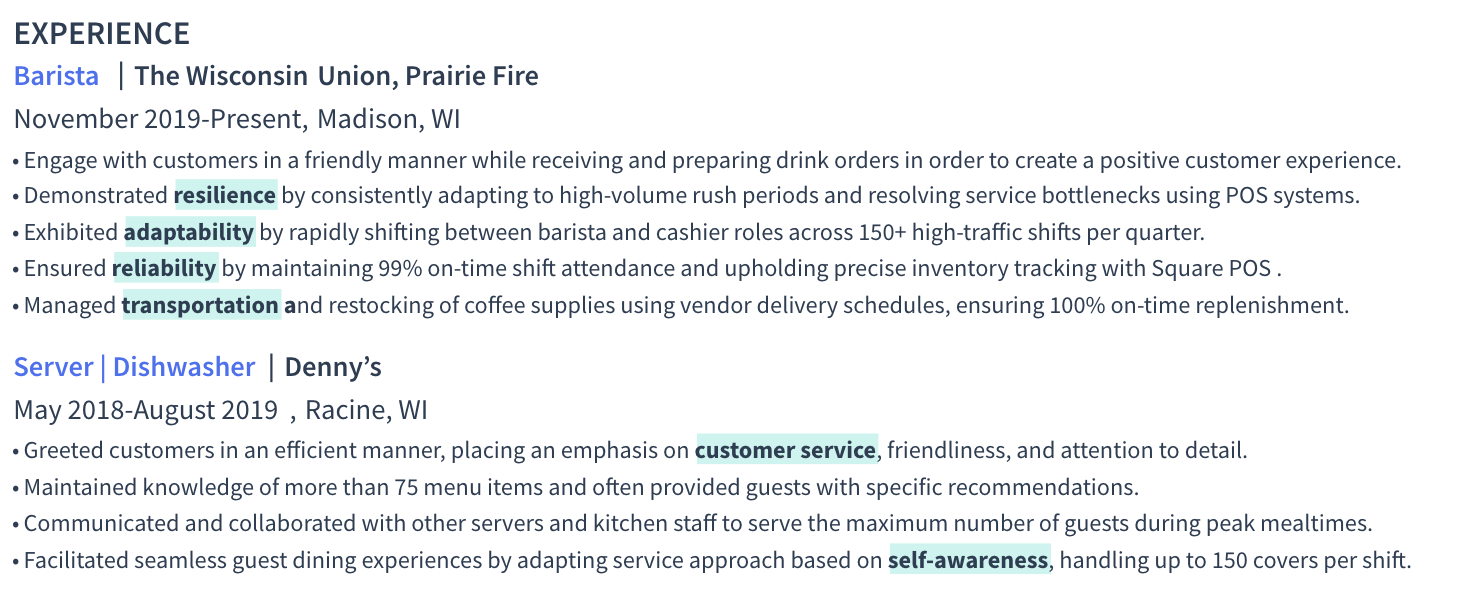
This job seeker didn’t just copy and paste keywords from the job description. They backed those skills up with context and outcomes, which makes everything more credible. Those details also turn something as simple as “worked as a bartender and a cashier” into a strong statement that proves adaptability.
Experienced job seeker
As you move into more experienced roles, the expectations shift. It’s no longer just about potential; employers want proof that you can step in and do the job right away. That’s why this marketing job ad focuses heavily on specific tools, platforms, and industry knowledge.
Check out this job description:
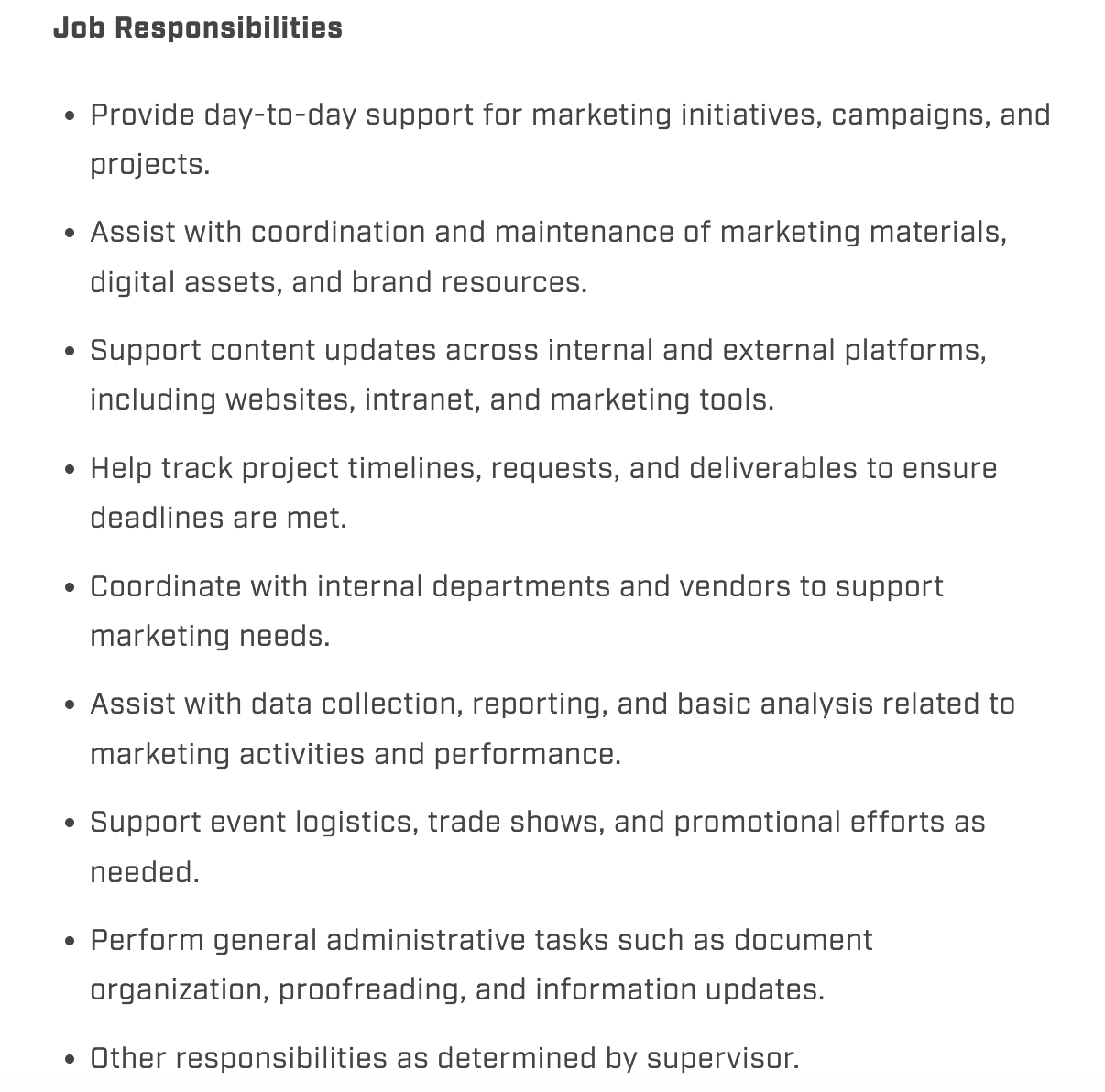
One of the easiest ways to stand out at this level is to get specific. It’s not enough to say you’re “familiar with marketing tools.” This job seeker does it right by actually naming the platforms and software they’ve used. That added detail gives immediate credibility and shows they’ve worked with these tools in real situations.
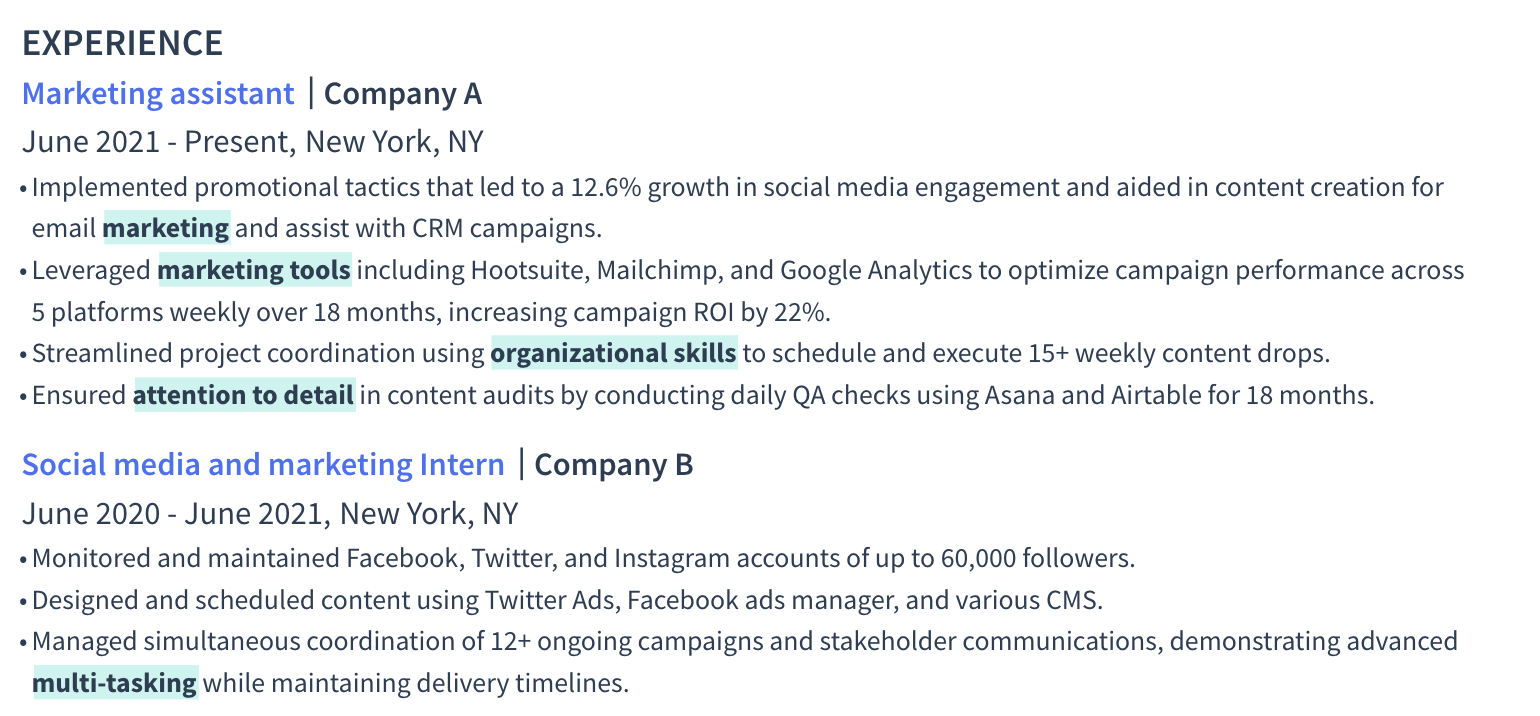
At the same time, soft skills still matter. But instead of listing them out generically, this candidate weaves them into their technical work. They show collaboration through campaign coordination and communication through executing content launches. That blend of hard skills and real-world application makes them come across as both easy to work with and capable.
Tips for Tailoring a Resume to a Specific Job
You don’t want to overdo the tailoring, rewriting everything for each job, and only applying to one job a day. But you should also avoid sending the same generic version everywhere.
Finding the balance isn’t hard; you just need to build a solid system. That could be a strong base resume you can refer to, quick tweaks that highlight what matters for each role, a clear way to keep everything organized, or all of the above.
Let’s see how to put these techniques into practice.
Create a detailed master resume
The idea of creating a detailed master resume with all your experiences and skills sounds like a lot of work. But trust me, your future self will thank you when it makes it a whole lot easier to tailor your application.
Instead of trying to remember everything you’ve done on the fly, you keep a running list of:
- Projects and accomplishments
- Metrics and results
- Tools and technologies
- Side work, certifications, and volunteer experience
And yes, this document can be long. That’s the point.
I spoke with Colin McIntosh, Founder of Sheets Resume Builder + Executive Search at Riviera Partners, about his approach to creating a master resume:
I highly recommend building 2-3 "master" resumes for each role type that you’re applying for. For example, a front-end engineering resume, a full-stack version, perhaps a design-focused version, and then only change small things for each role you apply for. Specifically, I recommend changing for each job application only the following:
• Your most recent title (small tweaks only to better match the role you’re applying for; just don’t misrepresent yourself).
• Your first bullet point (this is the thing they are most likely to read).
• Your skills: drop irrelevant ones, add the ones you see on the job description that you have, and reorder your skills to put the most crucial ones at the front of the list.
Another mistake people make is relying on memory. You finish a big project, months go by, and when it’s time to job search, the details are blurry. That’s how you miss strong achievements, or spend way too much time trying to track down old work emails.
A master resume gives you ready-made material to pull from when tailoring for different job titles and job descriptions within your industry. Make it a habit to update this every few months. It’ll save you time (and frustration) down the line.
Be realistic and prioritize specific jobs
You don’t need to go all-in on every application. That’s just not practical.
For most roles, tailoring can be as simple as reordering what you already have:
- Move the most relevant bullet points to the top
- Highlight the experience that matches the job description
- Adjust a few phrases to align with the role
You’re reshuffling and refining, and this shouldn’t take any longer than ten minutes. I’m not saying prioritize quantity over quality, but create a balance and be smarter with your time.
Now, for jobs you really care about, it’s worth spending a little extra time. That’s where you can:
- Look at the company’s website
- Pay attention to how they describe their work and culture
- Mirror their tone and priorities in your resume
This is an easy way to stand out among a list of candidates who are only tailoring to the job description. It shows you’re a good match for the job, but you’re also a nice fit for the overall team and work environment.
Avoid keyword stuffing and exaggerating your skills
It’s tempting to cram your resume with keywords, especially once you realize how much ATS relies on them. But if you drop them in without context, you’ll end up sounding like you copied and pasted the job description instead of actually living real experiences.
Here’s how keyword stuffing can backfire:
- It makes your resume harder to read
- It feels forced or unnatural
- It disconnects your skills from actual experience
Every keyword you include should tie back to something real you’ve done. If you can’t explain it in an interview, it doesn’t belong on your resume. Also, remember that ATS systems don’t make the final decisions. If your resume looks inflated or inconsistent, recruiters will notice.
My advice? Only include keywords that truly reflect your experience, and add context through concrete examples and measurable outcomes to add more credibility.
Use AI to tailor your resume to the job description
Now for the good news: you don’t have to do all of this manually. AI tools can speed things up, especially when you’re staring at your 20th job description and have lost all will to live.
You can use tools (like resume-focused AI platforms or ChatGPT) to:
- Identify important keywords and themes
- Suggest stronger bullet points
- Help rephrase your experience to better match the role
An easy way to naturally weave in those key phrases is by using AI Keyword Scanner. All you need to do is enter the job description, and you’ll get a list of keywords, alongside suggestions on how to include them in your resume bullet points.
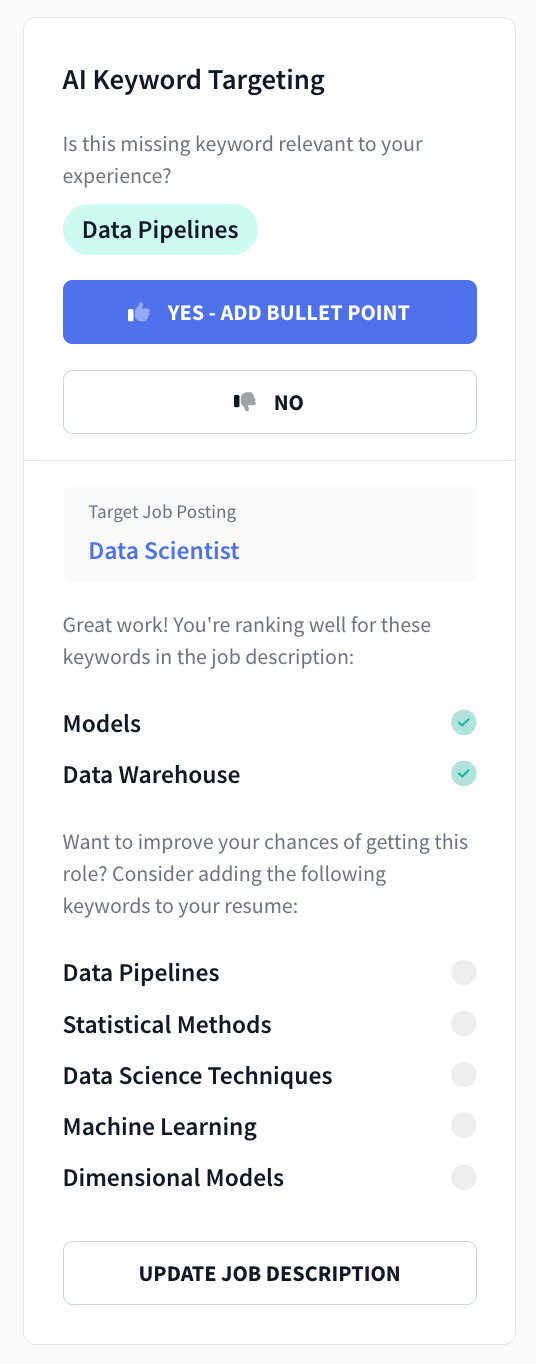
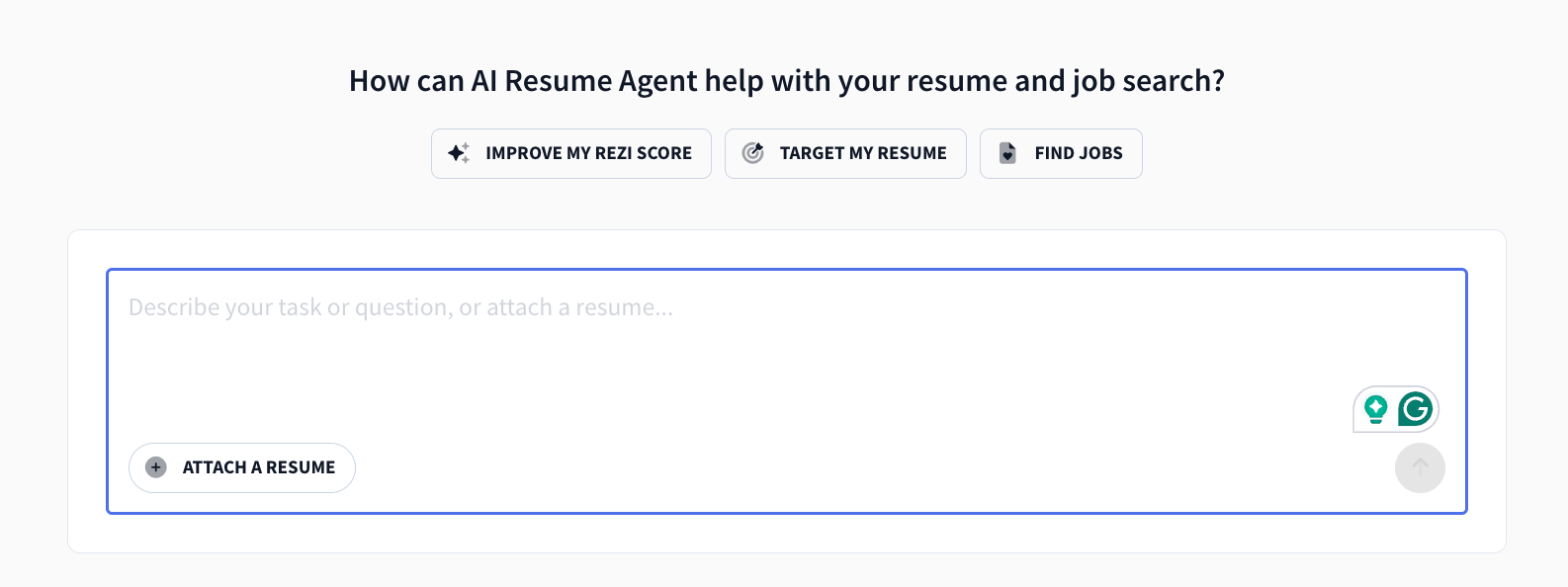
And for more specific tailoring, you can also use our AI Resume Agent. It can help you out with anything job-related, including matching your resume to the job description. Beyond that, you can also use it to improve your Rezi Score, rewrite bullet points, or find updated job openings.
Organize your tailored job applications
Let’s say you have a master resume and a bunch of applications tailored to different job titles. Unless you want to keep creating new resumes from scratch, I’d suggest organizing those documents so you can go back to them any time.
Set up a simple system:
- Create a folder for each job
- Save the tailored resume version
- Keep the original job description
- Add any notes or research you did
If you want to take it a step further, track which versions of your resume get responses. Over time, you’ll see patterns in what’s working and which resumes need a redo.
And don’t forget to name your files clearly before sending. Colin McIntosh shared his advice on how to do this and why it’s important:
Do not name the file for your new resume version "FirstName LastName Resume - Company Name" or something that gives away that you’re editing your resume for each application (companies and screeners can see your file name). Instead, name each version "FirstName LastName - Resume", then save it on your device, titled with the company name and job title.
That way, you can keep track of which resume you send where, so you can review it before interviews, but you’re not giving away publicly that you’re editing your resume for each application.
Job hunting is like dating, and small signals add up. The company that hires you wants you to be effortlessly perfect, interested but not over-eager, available but not without options. If they think you’re making a new resume for every single job you apply for... "yeesh, let’s not hire that person. They seem desperate."
Summary
Here’s an overview of everything you need to know about tailoring your resume:
- Start with a strong base resume, then tweak it for each role instead of rewriting from scratch every time.
- Mirror the job description by pulling key phrases and skills and naturally weaving them in to help your resume show up in ATS searches and feel more relevant to recruiters.
- Focus on relevance over volume; prioritize experience that directly aligns with the role and include the parts that make you an obvious fit.
- Adjust job titles (when needed), so they’re clear and familiar to recruiters and ATS without misrepresenting your role.
- Turn duties into achievement-driven bullet points with results, impact, or context. Show what you did, how you did it, and what changed because of your work.
- Customize your skills section to highlight the tools and competencies mentioned in the job posting. Focus on relevant hard skills rather than listing everything.
- Reorder sections and bullets to put the most relevant information front and center.
Recruiters skim, so make sure your strongest, most aligned experience is easy to find. - Do a final scan: ask yourself, “Would a recruiter immediately see why I’m a fit?”
If the answer isn’t obvious within a few seconds, tweak for clarity and alignment.
FAQ
What does it mean to tailor your resume?
Tailoring your resume means adjusting it so it aligns with a specific job, not rewriting the whole thing every time. You take a strong base resume and make small changes, like swapping in relevant keywords, reordering bullet points, or highlighting certain skills. The goal is to match what the employer is looking for while staying accurate. Think of it as emphasizing the most relevant parts of your experience, not creating something entirely new for every application.
What happens if you don’t tailor your resume?
If you don’t tailor your resume, you risk blending in or not showing up with ATS filters. Your experience might be solid, but if it doesn’t clearly match the job description, both ATS systems and recruiters may overlook it. Hiring managers skim quickly, so if the connection isn’t obvious, they’ll move on. You don’t need heavy customization, but without at least light tailoring, your resume can feel too generic and miss the chance to stand out.
How to tailor a resume to the job description using ChatGPT?
You can use ChatGPT to speed up tailoring without overthinking it. Paste your resume and the job description, then ask for help to identify key skills or rewrite bullets to better match the role. For example, prompt it to highlight gaps, suggest stronger wording, or align your experience with the job’s requirements. Just make sure you review everything, keep it accurate, and true to your experience.
Check out more ways to use ChatGPT:
- How to Write a ChatGPT Resume
- Rezi vs. ChatGPT-5: Which is Better?
- How to Use ChatGPT for a Cover Letter
How to write responsibilities on a resume?
Don’t just list responsibilities; show how you handled them. Start each bullet with a strong action verb, then add context and, if possible, results. Instead of saying what you were “responsible for,” show what you actually did and what came from it. Even if you don’t have exact numbers, you can describe impact, scale, or improvements. This makes your experience more concrete and easier for recruiters to understand.
How to describe your position on a resume?
When you describe your position, focus on clarity and relevance. Use a job title that accurately reflects what you did (and adjust slightly if needed for clarity). Then, support it with bullet points that highlight your most relevant work, not everything you’ve ever done. Prioritize tasks and achievements that align with the roles you’re targeting. You’re helping the reader quickly understand your role, your responsibilities, and the value you brought.

Lauren Bedford
Lauren Bedford is a seasoned writer with a track record of helping thousands of readers find practical solutions over the past five years. She's tackled a range of topics, always striving to simplify complex jargon. At Rezi, Lauren crafts genuine and actionable content that guides readers in creating standout resumes to land their dream jobs.

